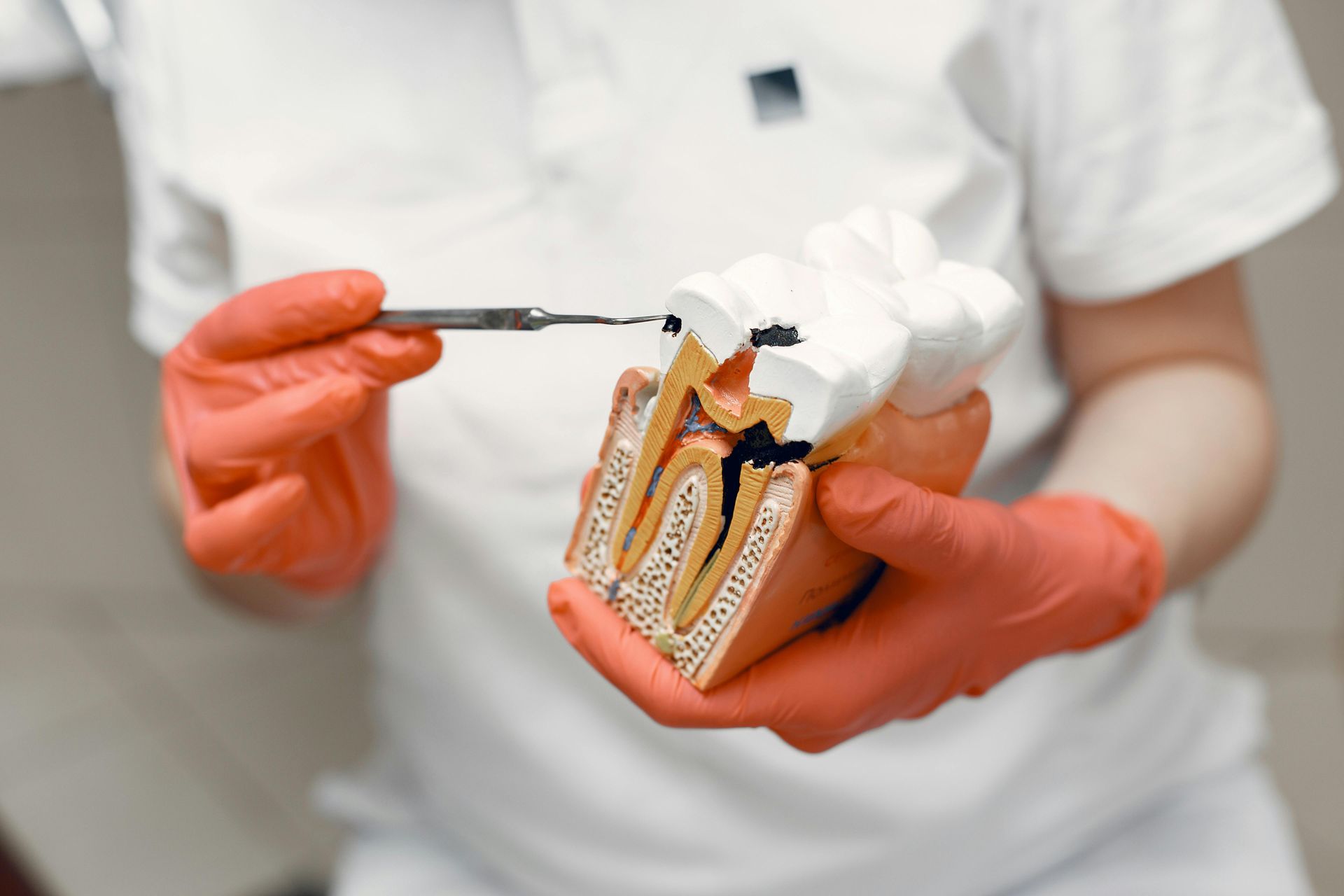
5 Fun Ways to Encourage Your Kids to Brush Their Teeth

If you're missing most or all of your teeth and looking for a permanent solution to restore your smile, you may have heard of the All-on-4 dental implant technique. But what exactly is All-on-4, and how does it work? In this blog, we’ll break down everything you need to know about this life-changing procedure and how it can benefit you.

As a parent, you know that getting your child to brush their teeth can sometimes be a struggle. But healthy dental habits are important — and it doesn’t have to be a battle! At Little Grins Pediatric Dentistry in Glendora, CA, we’ve gathered some fun and creative ways to make brushing a more enjoyable experience for your little one. Here are five simple ideas that can help make brushing time fun, stress-free, and something your child looks forward to:


1. Make It a Game!

Turn brushing time into an adventure! Create a fun game where your child earns points for each part of the brushing process — from brushing the tops of their teeth to the backs and then their tongue. You can even set a timer and see if they can "beat the clock" to make brushing a race. Adding fun elements, like pretending their toothbrush is a superhero or a race car, will spark their imagination and make them excited to brush.


2. Use Fun Toothbrushes and Toothpaste

Let your child pick out their own toothbrush. There are so many fun, colorful options available featuring their favorite characters — from superheroes to princesses to animals! Adding a fun toothbrush and toothpaste flavor (think bubblegum or strawberry) will make brushing a lot more exciting. When kids feel like they have a say in their dental routine, they’ll be more likely to stick with it.


3. Set a Fun Brushing Routine with Music

Kids love music, so why not use it to your advantage? Create a "brush time" playlist with your child’s favorite songs. You can also find many apps or YouTube videos that play fun songs or even brushing songs that last exactly two minutes (the recommended time for brushing). You can encourage your child to dance and sing along, making brushing feel more like a fun activity than a chore.


4. Brush Together as a Family

Children are more likely to mimic the actions of the people around them. Set a great example by brushing your own teeth alongside your child. Children love to imitate their parents, so showing them that brushing is an important and fun habit for everyone will inspire them to do the same. Make it a family ritual, and soon enough, they’ll be brushing their teeth without any reminders.


5. Give Positive Reinforcement and Rewards

After a successful brushing session, celebrate with positive reinforcement. Whether it's a high five, a sticker chart, or an extra bedtime story, showing your child that they’ve done something great will motivate them to continue with good habits. Let them see their progress, and watch as they get more excited about brushing.


Why Brushing Is Important for Your Child’s Health

Brushing isn’t just about keeping teeth clean — it’s about setting the foundation for a lifetime of healthy smiles! Regular brushing helps to prevent cavities, gum disease, and other dental problems that can affect your child’s oral health. Establishing healthy dental habits at a young age can also lead to fewer trips to the dentist in the future.


At Little Grins Pediatric Dentistry, we’re here to make dental care enjoyable and educational. If you have any concerns or want to make sure your child’s teeth are developing as they should, schedule an appointment with us today!

December 3, 2025
It’s amazing how something so small — a tight band of tissue under the tongue or lip — can have such a big impact. Feeding struggles. Speech delays. Gaps between teeth. Breastfeeding pain. Trouble sleeping. It’s often hidden in plain sight, quietly affecting everything from how a baby latches to how a child learns to speak. But here’s the good news: help is available. And it’s faster, gentler, and more precise than ever before. Laser frenectomies are a breakthrough treatment for tongue tie and lip tie — and they’re changing lives for babies, toddlers, and parents alike. If you’ve ever wondered why feeding has been a battle or why your child struggles to pronounce certain sounds, this might be the missing piece. At Little Grins Pediatric Dentistry in Glendora, CA, Dr. Hu and the team use advanced laser technology to perform safe, quick frenectomies that allow kids to eat, speak, and grow freely — without discomfort, trauma, or long recovery times. So let’s dive into what tongue and lip ties really are, how they affect kids of all ages, and why laser treatment is making such a difference. What Is a Tongue Tie or Lip Tie? Let’s break it down. Everyone has a frenum — a small band of tissue that connects the tongue to the floor of the mouth (lingual frenum) or the upper lip to the gums (labial frenum). That’s normal. But in some babies and children, that tissue is too short, thick, or tight , limiting movement. This is called: Ankyloglossia (tongue tie) Lip tie (when the upper lip is restricted) These conditions can range from mild to severe and may not always be obvious at first — especially if you’re a new parent just trying to figure out feeding, sleeping, and what all those baby cries really mean. But when left untreated, they can cause real issues. How Tongue and Lip Ties Affect Your Child The effects of tongue or lip tie vary depending on age and severity, but here are some common signs to look for: In Infants: Difficulty latching during breastfeeding Clicking or popping sounds while nursing Gumming or chewing instead of sucking Poor weight gain Long feeding sessions (or feeding every hour) Gas, colic, or reflux symptoms Maternal nipple pain, cracking, or infections In Toddlers and Older Children: Delayed speech development Trouble making certain sounds (like “L,” “R,” “T,” or “D”) Mouth breathing or snoring Tongue thrusting Open bite or gap between front teeth Difficulty licking ice cream, playing wind instruments, or keeping food in the mouth And beyond the physical? There’s the emotional toll — on kids who struggle to express themselves, and on parents navigating confusion, frustration, or feeding guilt. The good news? A laser frenectomy can offer gentle, immediate relief. What Is a Laser Frenectomy? A frenectomy is a minor surgical procedure that releases the tight tissue (the frenum) to allow proper movement of the tongue or lip. When done with a dental laser , the procedure becomes incredibly precise — with less pain, bleeding, or recovery time than traditional methods. At Little Grins Pediatric Dentistry , Dr. Hu uses a specialized pediatric soft-tissue laser that: Cauterizes as it cuts , minimizing bleeding Requires no stitches in most cases Takes just a few minutes Often doesn’t require general anesthesia — especially in infants Compared to scissors or scalpel-based methods, laser frenectomies are far gentler and safer for delicate tissue. Babies often breastfeed immediately after the procedure , and older kids can return to normal activities within a day. Benefits of Laser Frenectomies for Tongue Tie and Lip Tie According to the Journal of Human Lactation , infants who undergo frenectomy procedures show significant improvements in feeding, maternal comfort, and weight gain. The AAPD and International Affiliation of Tongue-Tie Professionals (IATP) also support laser treatment as a safe, effective, and minimally invasive approach to care. Here’s why it’s such a powerful option: Quick, Simple Procedure : Usually done in under 10 minutes Minimal Discomfort : Many children don’t even require numbing for mild cases Little to No Bleeding : The laser seals blood vessels as it works Faster Healing : Most children feel better within 24–48 hours Improved Function : Feeding, speech, and sleep often improve right away Lower Infection Risk : Lasers sterilize the area as they treat For breastfeeding moms, the improvement is often immediate. Babies latch deeper, feed more efficiently, and moms feel relief from pain and frustration . For older kids, proper tongue mobility allows them to pronounce sounds correctly, swallow more efficiently, and even sleep more soundly. What to Expect Before, During, and After Treatment If Dr. Hu suspects a tongue tie or lip tie during your child’s exam, she’ll perform a full assessment and review any symptoms you're seeing at home. This includes: A visual and physical exam Feeding history and any speech/latch concerns Possible referral to a lactation consultant or speech therapist for collaboration If a frenectomy is recommended, here’s what to expect: Before the Procedure: For infants, you’ll be encouraged to feed right before and after for comfort Older kids may receive topical numbing gel or mild sedation if needed Dr. Hu will walk you through the process step-by-step During the Procedure: The laser gently releases the tight tissue in seconds You can often stay with your child during treatment There’s minimal (if any) bleeding and no stitches After the Procedure: Infants often feed better immediately Mild soreness or fussiness may last a day or two Stretching exercises will be recommended to prevent reattachment Follow-up visits ensure proper healing and mobility Support doesn’t stop when the appointment ends. The team at Little Grins Pediatric Dentistry is there to guide you through post-procedure care and help ensure your child gets the most benefit from their new mobility. Collaboration Is Key While laser frenectomies offer physical relief, full recovery often involves a team approach. That’s why Dr. Hu works closely with: Lactation consultants Speech-language pathologists Myofunctional therapists Pediatricians and ENTs This collaborative care ensures your child gets the right treatment at the right time, with full support for feeding, speech, and overall growth. It’s not just about clipping a frenulum — it’s about giving your child the tools to eat, speak, and thrive with confidence.  When to Seek Help for a Suspected Tie Still not sure whether a tongue or lip tie is an issue for your child? Here are a few reasons to consider scheduling a consult: Breastfeeding isn’t going well, and lactation support hasn’t helped Your baby pops off the breast or bottle frequently Your child drools excessively, even past infancy You’ve noticed speech issues or limited tongue movement There's a visible string of tissue when your child lifts their tongue or upper lip Trust your instincts. If something feels off — whether it’s feeding, speech, or just how your child uses their mouth — it’s worth getting checked. And the earlier, the better. Early correction often means better outcomes, fewer complications, and no need for general anesthesia . At Little Grins Pediatric Dentistry, we believe every child deserves the chance to feed, speak, and smile without limits. Whether your baby is struggling to nurse or your child is facing speech frustrations, we’re here to help — gently, precisely, and with the heart of a parent . Call Little Grins Pediatric Dentistry at 626-788-3308 or visit us at 120 N Grand Ave, Glendora, CA to schedule your laser frenectomy consultation. Let’s give your child the freedom to grow with confidence — one tiny snip at a time.
December 3, 2025
Picture this: Your child is in the dental chair, relaxed, maybe even smiling — and the procedure hasn’t even started yet. No white-knuckled grip. No anxious tears. Just calm, confident care. That’s not a fantasy. That’s the power of children’s sedation dentistry done the right way. Whether it’s a simple cleaning or a more involved dental procedure, some kids need extra help getting comfortable. And that’s okay. Every child is different. Some are brave from the start, others need time — and for many, the idea of sitting still, keeping their mouth open, or hearing unfamiliar sounds can be understandably overwhelming. At Little Grins Pediatric Dentistry in Glendora, CA, sedation dentistry isn’t about “knocking kids out.” It’s about creating a space where anxious kids feel safe, where sensitive children are supported, and where necessary dental care gets done — without fear, pain, or trauma. Let’s walk through the different types of sedation available, when they’re used, and how they help children (and parents!) feel more at ease.  When Is Sedation Dentistry Right for Kids? Let’s get something straight: Sedation dentistry doesn’t mean something’s “wrong” with your child. It simply means they need a little extra help feeling calm — and that’s completely normal. Sedation may be recommended if your child: Has high dental anxiety or fear Is very young and can’t sit still for long Needs extensive dental treatment Has a strong gag reflex Has special needs or sensory processing challenges Had a traumatic past dental experience In these situations, sedation isn’t about pushing a child through something scary — it’s about gently guiding them through it in a way that protects both their physical and emotional well-being. And the best part? With the right sedation method, most kids don’t even remember the procedure. That means fewer negative associations, and better cooperation in the future. The Three Types of Sedation Offered for Kids At Little Grins Pediatric Dentistry, Dr. Hu and the team offer three levels of sedation, each tailored to different needs. Here's what they look like in everyday terms: 1. Nitrous Oxide (Laughing Gas) – Light Sedation You’ve probably heard of this one — and for good reason. Nitrous oxide is the most common form of sedation for kids. It’s safe, fast-acting, and wears off quickly. Your child breathes it in through a small nose mask They remain awake and responsive, just more relaxed It can create a light, floaty, giggly feeling (hence the name!) Once the mask is removed, the effects wear off in minutes Nitrous is great for kids with mild anxiety or for routine procedures like fillings or cleanings that might feel intimidating. 2. Oral Conscious Sedation – Moderate Sedation For children who need a bit more relaxation, oral sedation involves giving them a prescribed liquid or pill before their appointment. It takes about 30–60 minutes to kick in Your child will feel drowsy, calm, and unfazed , but still awake They may feel sleepy or groggy after the visit Vital signs are monitored throughout Oral sedation is often used when a child needs more involved dental work, or if nitrous alone isn’t quite enough. 3. IV Sedation / General Anesthesia – Deep Sedation Reserved for more complex procedures or children with severe anxiety or special healthcare needs, this level of sedation ensures your child is completely asleep and unaware of the procedure. Administered by a licensed anesthesiologist Constant monitoring of heart rate, oxygen, and other vital signs Allows for multiple treatments in one visit Your child will wake up with no memory of the procedure This is often the best choice when your child needs extensive dental work but isn’t able to tolerate it while awake — especially if cooperation or movement might be a safety concern. Safety Comes First (and Second, and Third) Understandably, many parents worry about sedation — especially when it involves putting their child to sleep. That concern is natural, and it’s exactly why Little Grins Pediatric Dentistry follows the strictest safety protocols . Here’s how we make sure sedation is as safe as possible: All forms of sedation are administered by trained professionals Your child’s vital signs are monitored from start to finish We do a full health evaluation and review their medical history beforehand Clear pre- and post-sedation instructions are given to families The American Academy of Pediatric Dentistry (AAPD) and the American Society of Anesthesiologists both support sedation as a safe, effective option — when performed by trained providers in a properly equipped setting. Bottom line? Sedation isn’t something we take lightly — but it’s also not something to fear. With the right precautions and expertise, it’s a safe way to help kids feel calm, secure, and pain-free. Benefits of Children’s Sedation Dentistry Let’s talk about what families actually experience when sedation is part of the care plan. According to the AAPD and studies published in the International Journal of Pediatric Dentistry, sedation in pediatric dentistry offers significant benefits: Reduced anxiety and fear during treatment Fewer appointments needed (since more work can be done at once) Better cooperation during care More comfortable experience overall Fewer negative memories of the dentist For kids with special needs, sedation also allows the dentist to perform a thorough exam or treatment without causing distress — making it a compassionate and empowering tool. For you as a parent, it’s a huge relief. You can focus on supporting your child emotionally, without the pressure of coaxing them through something they’re not ready for. What to Expect Before and After Sedation If your child is scheduled for sedation, here’s what you can expect: Before the Appointment: You’ll receive detailed instructions about food, drink, and medications Dress your child in comfy clothes and bring a favorite toy or blanket Plan to stay with them the whole time (and the rest of the day, if needed) During the Procedure: You’ll be updated throughout the appointment Your child’s safety will be monitored closely from start to finish You’ll be nearby if needed — or relaxing in the waiting area After the Visit: Most children are a bit sleepy, wobbly, or cranky after deeper sedation Plan a quiet day at home with rest, fluids, and soft foods Within 24 hours, they’re usually back to their energetic self Our team will walk you through every step, answer all your questions, and be just a phone call away if anything seems off after the appointment. Compassion in Every Breath, Drop, and Dream Sedation dentistry isn’t just about medication. It’s about meeting your child where they are — emotionally, physically, and developmentally — and guiding them through dental care with empathy and patience. It’s about helping anxious children feel safe enough to open their mouths. About giving neurodivergent kids the space to receive care without overwhelm. About protecting a child’s emotional wellbeing while preserving their physical health. And at Little Grins Pediatric Dentistry , that’s what we do every day. Need help making your child’s next dental visit smooth, stress-free, and positive? Call Little Grins Pediatric Dentistry at 626-788-3308 or visit our office at 120 N Grand Ave, Glendora, CA to learn how sedation options can support your child’s care and comfort. Book your appointment today and give your child the gentle dental experience they deserve.
December 3, 2025
Let’s play a quick game of word association. Ready? You hear the word “laser” — and what comes to mind? Space battles? Sci-fi? Maybe a super high-tech gadget from a superhero movie? What if we told you lasers are also changing the way kids experience dental care — in the most comforting, gentle, and precise way possible? It’s true: Children’s laser dentistry is transforming pediatric dental visits into smoother, more comfortable experiences that are less about drills and more about delight. And for many families, it’s the breakthrough they didn’t even know they were waiting for. If your child is anxious about dental procedures — or if you are dreading another meltdown in the exam chair — keep reading. This isn’t about flashy tech for tech’s sake. This is about care that’s smarter, softer, and tailored just for little smiles. What Exactly Is Children’s Laser Dentistry? Children’s laser dentistry involves using highly concentrated beams of light energy to perform many types of dental procedures — but with far less discomfort and more precision than traditional tools. That’s a fancy way of saying: lasers can fix, clean, and treat teeth and gums without loud noises, scary vibrations, or uncomfortable pressure. At Little Grins Pediatric Dentistry in Glendora, CA, Dr. Hu and the team use laser technology specifically calibrated for children. These aren’t adult-sized lasers scaled down — they’re tools designed for pediatric anatomy, sensitivity, and comfort. Lasers can be used for: Cavity treatment (replacing the traditional drill) Gum contouring or reshaping Soft tissue procedures like tongue-tie release Sterilizing infected areas without damaging nearby tissue Speeding up healing after procedures All of this happens with minimal bleeding , faster recovery , and often — best of all — no need for anesthesia . Yep. You read that right. Say Goodbye to “The Drill” One of the biggest emotional blocks for kids (and let’s be honest, adults too) is the sound and feel of the dental drill. That high-pitched whirring? The vibration? The pressure? It’s no wonder little ones squirm or freeze up. Laser dentistry quietly sidesteps that whole issue. Instead of a drill grinding away at tooth enamel, lasers work through a combination of light energy and water molecules , gently removing decay or reshaping tissue without friction. That means: No scary buzzing No pressure on the tooth No heat from spinning tools For kids who are extra sensitive to sound or have special needs, this alone can be a game-changer. And here’s the kicker — lasers are incredibly precise , which means there’s a much lower risk of affecting surrounding areas. Less damage, less discomfort, and in many cases, no numbing shot required . Let that sink in for a second. A filling... without a needle. It’s not the future — it’s happening right now in Glendora. What Can Lasers Treat in Pediatric Dentistry? Children’s laser dentistry is surprisingly versatile — not just a cool tool for cavities. It can help with a wide range of treatments, including: 1. Cavity Removal and Fillings Lasers can remove tooth decay with pinpoint accuracy. Since they’re less invasive than drills, more healthy tooth structure can be preserved — a big win in growing mouths. 2. Gum Treatments If your child has excessive gum tissue (often called a “gummy smile”), lasers can gently sculpt the gumline for better aesthetics and hygiene. They’re also used to treat inflamed or infected gums painlessly. 3. Soft Tissue Corrections Procedures like frenectomies (for tongue-tie or lip-tie) can be performed with a laser, leading to less bleeding , minimal swelling , and faster healing — often without stitches. 4. Cold Sores and Ulcers Laser therapy can be used to treat painful sores, speeding up healing and reducing discomfort almost instantly. 5. Sterilization and Disinfection Lasers are excellent at targeting bacteria deep within tissue — which helps in cases of infection or inflammation, reducing the risk of further issues. In short? Lasers are not just about making procedures faster — they’re about making them better . Why Parents (and Kids) Love Laser Dentistry There’s a reason laser dentistry has been gaining popularity among pediatric dental professionals and parents alike. The benefits go well beyond convenience. According to the American Academy of Pediatric Dentistry (AAPD) and recent findings in the Journal of Clinical Pediatric Dentistry, the use of lasers in pediatric care leads to: Lower anxiety in children Shorter appointments Minimal bleeding and swelling Little to no need for anesthesia Faster healing times More predictable outcomes And those aren’t just stats. Those are real-life stress reducers for both you and your child. No one wants their kid to feel scared, especially during something as personal as dental work. Laser dentistry offers a kinder alternative — one that respects your child’s comfort, while still getting the job done safely and effectively. Is Laser Dentistry Safe for Kids? This is often the first question on a parent’s mind, and it’s a great one. The answer? Absolutely. When used by trained professionals, laser dentistry is not only safe — it’s often safer than traditional techniques. Lasers are FDA-approved for dental use, and pediatric dentists like Dr. Hu undergo specialized training in how to use them appropriately and effectively for children. They’re especially beneficial for: Young children who struggle to sit still Kids with high dental anxiety Children with special healthcare needs Patients who are medically compromised or have bleeding disorders Of course, not every procedure is right for laser treatment — but that’s where an experienced pediatric team comes in. They’ll assess your child’s needs and explain the safest, most comfortable option available.  The Future Is Bright (and Quiet) Gone are the days when dental treatment meant scary noises, tears in the chair, and a child gripping your hand like they were bracing for launch. With children’s laser dentistry, we’re stepping into a world where less pain , more precision , and faster healing are the norm — not the exception. And here’s the part that really matters: when children feel good about their dental experiences, they’re far more likely to build lifelong healthy habits. That means fewer issues in adolescence, fewer emergencies in adulthood, and more reasons to smile confidently every step of the way. Ready to give your child a better dental experience — one that’s gentle, high-tech, and built for comfort? Call Little Grins Pediatric Dentistry at 626-788-3308 or visit us at 120 N Grand Ave, Glendora, CA to schedule your appointment and learn how laser dentistry can change the way your child feels about their smile.
December 3, 2025
Imagine this: Your child’s first dental visit goes off without a hitch. No tears, no fear — just giggles, stickers, and maybe a bubblegum-flavored fluoride treatment. Sounds like wishful thinking? Not quite. With the right pediatric dental team and a warm, kid-friendly environment, early dental care can actually become something your child looks forward to. Really. That’s where pediatric dentistry in Glendora, CA steps in — not just as a service, but as a true game-changer in your child’s lifelong health journey. Because let’s face it: healthy habits start early, and the dentist’s office should feel less like a cold, clinical pit stop and more like a smile-building haven. Let’s walk through what makes pediatric dentistry so unique, why it’s crucial to start early, and how choosing the right dental home can shape your child’s confidence — and their grin — for years to come. The Early Years: Why Pediatric Dental Care Can’t Wait It might feel like baby teeth don’t count for much — they fall out anyway, right? But here’s the thing: primary teeth are placeholders , and they’re critical for chewing, speaking, and guiding adult teeth into proper position. When those tiny teeth are neglected, it can trigger a domino effect of problems later on. That’s why both the American Academy of Pediatric Dentistry (AAPD) and the American Dental Association (ADA) recommend that children see a dentist by their first birthday or within six months of their first tooth erupting. Why so early? Because prevention beats intervention. Early visits allow your pediatric dentist to: Catch and stop tooth decay in its tracks Monitor jaw and bite development Establish good brushing habits early Help your child feel comfortable and safe in the dental chair And let’s be real: toddlers aren’t known for being predictable. So when your little explorer decides to jump off the couch or bite into something they shouldn’t, you want a trusted dental professional on speed dial who knows your child’s history and knows how to help. What Makes Pediatric Dentistry Different? Pediatric dentistry isn’t just general dentistry scaled down for small mouths — it’s a specialized field that combines medical science, child psychology, and a deep understanding of developmental growth. At Little Grins Pediatric Dentistry in Glendora, CA, Dr. Hu and the team are trained not only in children’s oral health, but also in how to communicate with children , manage anxiety, and make dental visits fun, not fear-inducing. Some of the things that set pediatric dentists apart: Specialized Training : After dental school, pediatric dentists complete two additional years of training focused solely on kids. Kid-Centered Tools : From tiny dental instruments to silly sunglasses and fun flavors, everything is designed with children in mind. Behavior Management Techniques : Dentists use kid-friendly language, gentle guidance, and sometimes even play to make the experience feel less “medical.” Welcoming Environment : The office vibe matters. Think bright colors, TVs on the ceiling, friendly faces, and lots of encouragement. And if you’ve got a child with special needs or sensory sensitivities? A pediatric dental team is uniquely equipped to provide patient, tailored care that respects your child’s comfort level. Preventive Care = Fewer Problems Later One of the core goals of pediatric dentistry is prevention. The fewer issues we have to treat later, the better your child’s experience with dental care — and the less you’ll need to stress about surprise toothaches or emergencies. Here are some key components of pediatric preventive care: Dental Cleanings and Exams : Gentle, thorough cleanings remove plaque and tartar, while regular checkups catch concerns early. Fluoride Treatments : Fluoride strengthens enamel and helps fight early decay, especially in cavity-prone areas. Dental Sealants : These thin, protective coatings go on the back molars (where cavities love to hide) to block bacteria and food particles. Nutritional Counseling : Your pediatric dentist can help guide you on foods that support healthy teeth — and the ones to avoid. Education : Teaching kids how to brush and floss the right way builds autonomy and confidence. Bonus? You also get peace of mind knowing you're doing everything possible to set your child up for a lifetime of healthy smiles. Benefits of Pediatric Dentistry (With Backing from the Pros) Choosing pediatric dentistry in Glendora, CA, isn’t just about convenience — it’s an investment in your child’s health, backed by real research and medical consensus. According to the AAPD , children who establish a dental home early have fewer dental problems , better oral hygiene habits , and less fear or anxiety about treatment as they grow. Here’s what that really means: Early Intervention Saves Money and Stress : Preventive visits cost far less than fillings, crowns, or emergency extractions. Improved Academic Performance : Studies show children with untreated dental problems are more likely to miss school and struggle academically due to pain or embarrassment. Positive Emotional Associations : When kids enjoy going to the dentist, they’re far more likely to continue that habit into adulthood. Support for Parents : Pediatric dental teams partner with parents, not just patients. That includes guidance on pacifiers, thumb-sucking, teething, and everything in between. And perhaps most importantly, pediatric dental care gives your child something priceless: the confidence to smile without hesitation . Making Dental Visits Something to Smile About So how do you make sure your child’s first (and second, and tenth) dental visit goes smoothly? It’s all about setting expectations and choosing the right practice. Here’s what helps: Start Early : The earlier your child visits the dentist, the more routine it feels. Stay Positive : Avoid words like “hurt” or “pain.” Frame the visit as an exciting adventure. Read Books or Watch Videos : There are tons of children’s stories that walk through a dental visit in a playful, relatable way. Be a Role Model : Let your child see you brushing, flossing, and keeping up with your own dental care. At Little Grins Pediatric Dentistry, everything from the front desk to the treatment chair is designed to ease anxiety and make visits feel less like a chore and more like a reward. That’s not by accident — that’s by design.  The Heart of Pediatric Dentistry? Relationships. Yes, pediatric dentistry is about teeth — but it’s also about trust. When your child feels safe, known, and celebrated at their dental visits, it shapes more than their oral health — it shapes their confidence, self-esteem, and sense of security. Dr. Hu and the team at Little Grins aren’t just treating cavities; they’re building relationships that matter. They’re watching your child grow from that first wobbly tooth all the way to their first big middle school grin. And in that journey, every visit matters.
December 3, 2025
Did You Know? Children start to get their baby teeth during the first 6 months of life by age 6 or 7 years, they start too lose their first set of teeth. Which eventually are replaced by secondary, permanent teeth.